Trainer and Horse in Harmony – The Key to Consistent Performance


Trainer and Horse in Harmony – The Key to Consistent Performance
In American horse racing, success is not just about speed or strength—it’s about connection. The relationship between trainer and horse often determines whether a horse can perform consistently over time. When a trainer understands the horse’s signals, temperament, and needs, that partnership becomes the foundation for lasting success on the track.
Understanding the Horse’s Personality
Every horse has its own character. Some are naturally high-strung and need structure to stay focused, while others are more laid-back and require motivation to reach their potential. A skilled trainer takes time to learn how each horse responds to pressure, how it recovers after workouts, and what keeps it engaged.
Observation is essential. Subtle changes in behavior, appetite, or movement can reveal how a horse is feeling. The more a trainer understands these cues, the easier it becomes to tailor training sessions that challenge the horse without overwhelming it.
Communication Beyond Words
Horses may not speak, but they communicate constantly. They respond to body language, tone, and rhythm. A calm, consistent trainer creates a sense of security—and that security is what allows a horse to learn and perform.
In daily training, clarity and consistency are key. The horse should be able to predict what’s expected and trust that praise or correction will come at the right moment. Over time, this builds a shared language where even the smallest cues are understood, allowing trainer and horse to work as one.
A Balanced Training Plan
Consistency on the track starts with balance in the barn. Overtraining can lead to injury or burnout, while too little challenge can stall progress. A thoughtful training plan includes variety—speed work, intervals, rest days, and light sessions—to keep both body and mind fresh.
Good trainers also consider each horse’s age, experience, and physical history. The goal isn’t just to build muscle but to develop mental resilience. A horse that faces appropriate challenges and experiences success becomes more confident and reliable under race-day pressure.
Trust as a Competitive Edge
When trust exists between trainer and horse, it shows. The horse stays calm in the paddock, responds quickly to cues, and gives its best effort even in tough conditions. That trust doesn’t happen overnight—it’s built through patience, consistency, and respect.
A trainer who approaches the horse with understanding rather than frustration earns cooperation instead of resistance. In the long run, that bond can be the difference between a good performance and a great one.
Læs også:

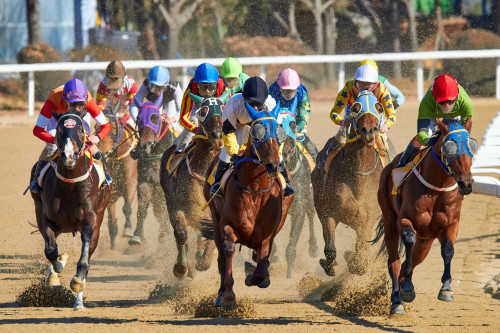
The Power of the Team
While the trainer leads the daily work, the entire team contributes to the horse’s stability—grooms, veterinarians, farriers, and owners all play vital roles. Open communication ensures that everyone understands the horse’s condition and goals, allowing quick adjustments when needed.
A cohesive team can spot small issues before they become major setbacks. This holistic approach—where every detail matters—creates the foundation for consistent performance throughout the season.
Consistency Is a Shared Achievement
Ultimately, consistent performance isn’t a matter of luck. It’s the result of relationships—between trainer and horse, and among everyone who supports them. When understanding and trust come together, performance becomes more predictable, sustainable, and rewarding.
In the harmony between human and horse lies the true key to success in American racing: a partnership built on respect, patience, and shared purpose.
Læs også: