From Riding to Racing: The Horse’s Journey from Medieval Breeding to the Nobility’s Competitions

From Riding to Racing: The Horse’s Journey from Medieval Breeding to the Nobility’s Competitions
From a tool of survival to a symbol of prestige, the horse has mirrored humanity’s own evolution. In medieval Europe, horses were indispensable for war, transport, and agriculture. Yet over time, they became emblems of power, grace, and competition. This transformation paved the way for the first organized races—events that blended noble rivalry with the thrill of speed.
The Medieval Horse – Strength, Endurance, and the Art of Breeding
In the Middle Ages, horses were the engines of society. Knights relied on massive warhorses to carry them into battle, farmers depended on sturdy draft horses to plow their fields, and messengers prized swift riding horses for their speed and stamina. Breeding was a matter of necessity and pride: every horse was shaped by its purpose.
For the nobility, horse breeding was more than practical—it was a statement of status. A well-trained, beautifully built horse reflected wealth and influence. Tournaments became the grand spectacles of the age, where a knight’s courage and a horse’s strength were tested before cheering crowds.
Læs også:

From Tournaments to Pastime
As gunpowder and new military tactics rendered armored knights obsolete, the warhorse lost its battlefield role. Yet the fascination with equine speed and elegance endured. By the 16th and 17th centuries, European aristocrats began organizing informal races as courtly entertainment.
These early contests were often simple challenges between two riders across open fields or palace grounds. But they marked a cultural shift: the horse was no longer just a partner in labor or war—it was becoming an athlete.
English Innovation and the Birth of the Thoroughbred
Modern horse racing traces its roots to England. In the 1600s, English nobles imported swift Arabian stallions and bred them with local mares. The result was a new breed—the English Thoroughbred—renowned for its speed, endurance, and refined build.
King Charles II, an avid rider himself, formalized the sport by establishing rules, prizes, and dedicated tracks. Newmarket, the racing center he helped develop, remains a cornerstone of the sport today. From these beginnings, horse racing evolved into a structured pastime that combined competition, breeding, and social prestige.
Racing as a Symbol of Status and Society
By the 18th and 19th centuries, horse racing had spread across Europe and beyond. For the aristocracy, attending the races was as much about being seen as about winning. The racetrack became a social stage where families displayed their finest horses, forged alliances, and discussed breeding strategies.
In this world, the horse embodied both economic power and cultural refinement. Owning a successful racehorse was a mark of distinction—a living testament to lineage, wealth, and taste.
From Noble Sport to Popular Passion
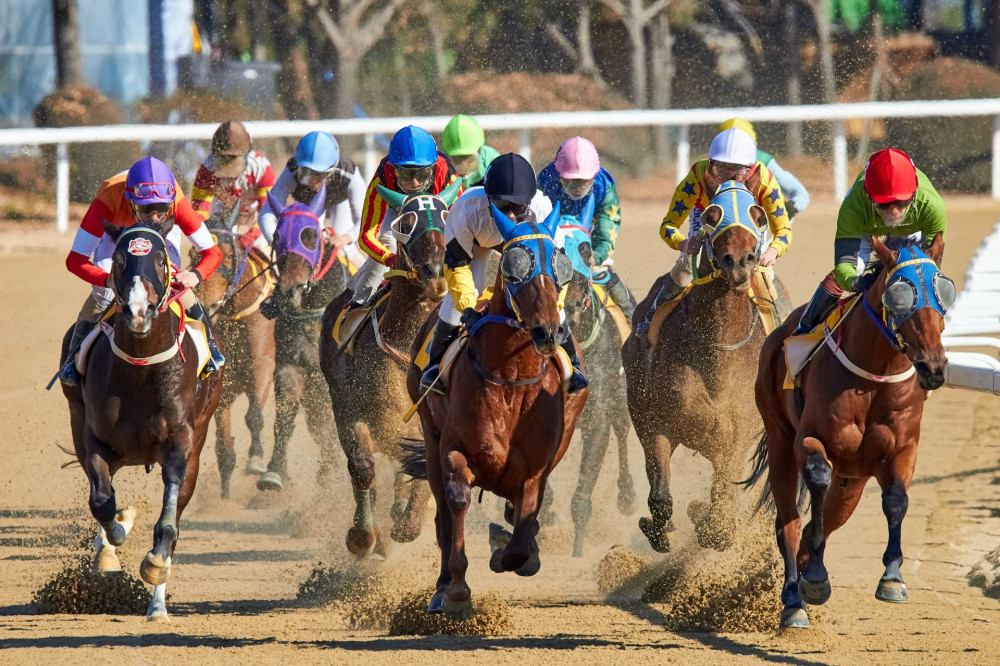
As industrialization transformed daily life, the horse’s practical role diminished. Yet its place in sport and entertainment only grew stronger. Organized racing expanded, and betting—once a pastime of the elite—became a popular form of recreation. The sport crossed oceans, taking root in the United States, where it evolved into a national tradition with iconic events like the Kentucky Derby.
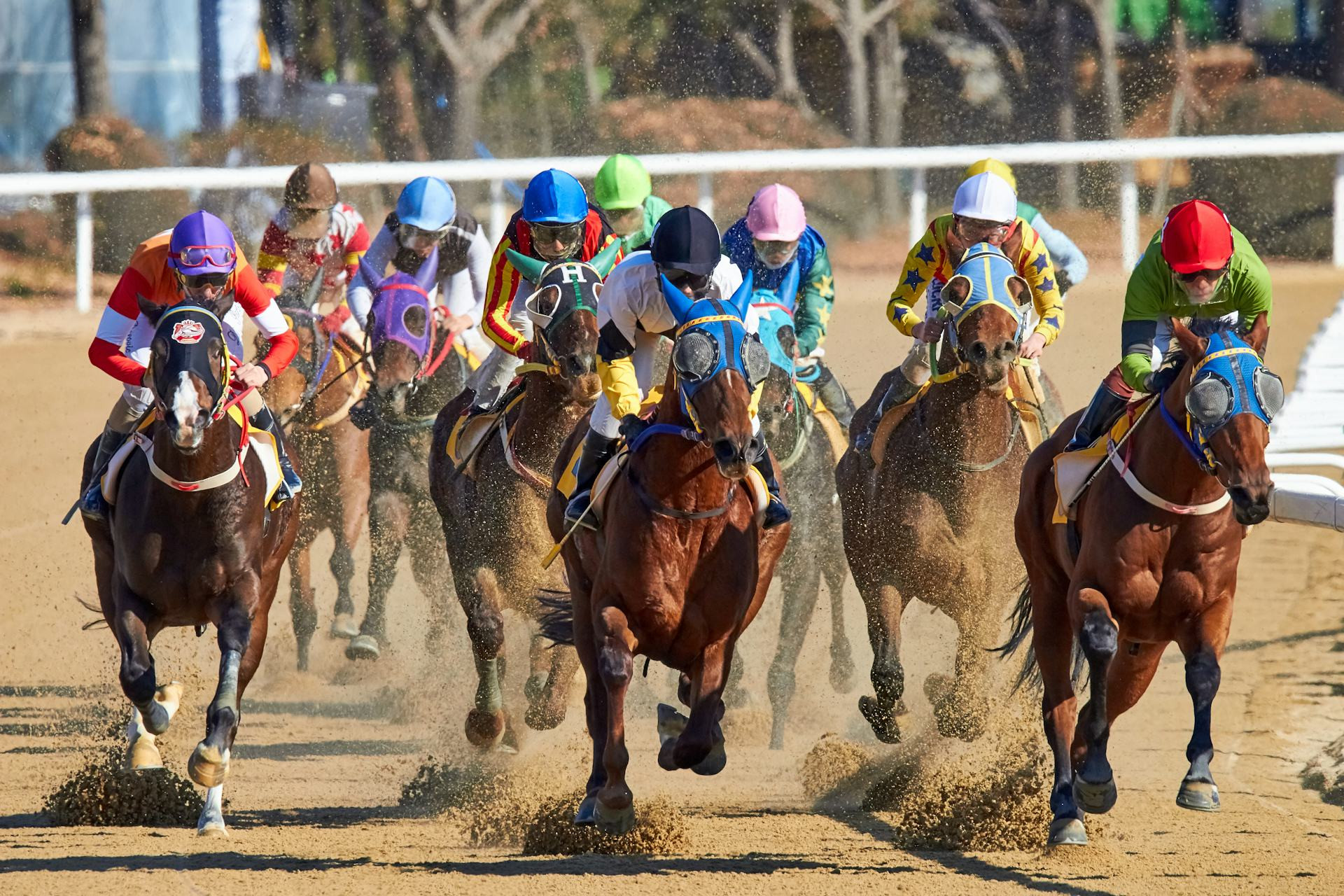
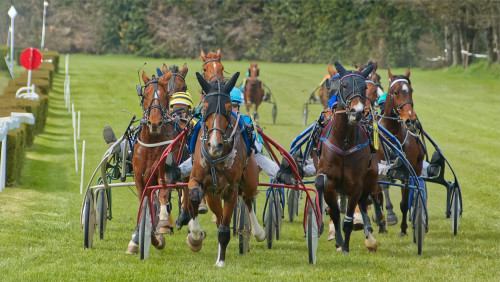
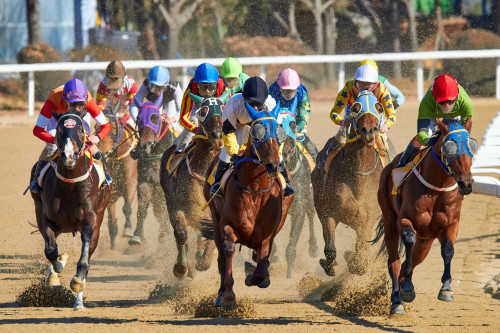
Today, horse racing is a global industry that blends heritage with innovation. From classic flat races to harness racing and digital wagering, the sport continues to captivate audiences who share a timeless fascination with speed and skill.
A Legacy of Speed and Spirit
The horse’s journey from medieval fields to modern racetracks tells a story of transformation—of how necessity became passion, and how partnership turned into performance. Once a symbol of survival and strength, the horse now represents elegance, competition, and cultural legacy.
When the gates open and the thunder of hooves fills the air, we witness more than a race. We see centuries of history in motion—a living link between the knights of old and the thrill-seekers of today.
Læs også: