Roulette in Popular Culture: From Casino to Film Icon

Roulette in Popular Culture: From Casino to Film Icon
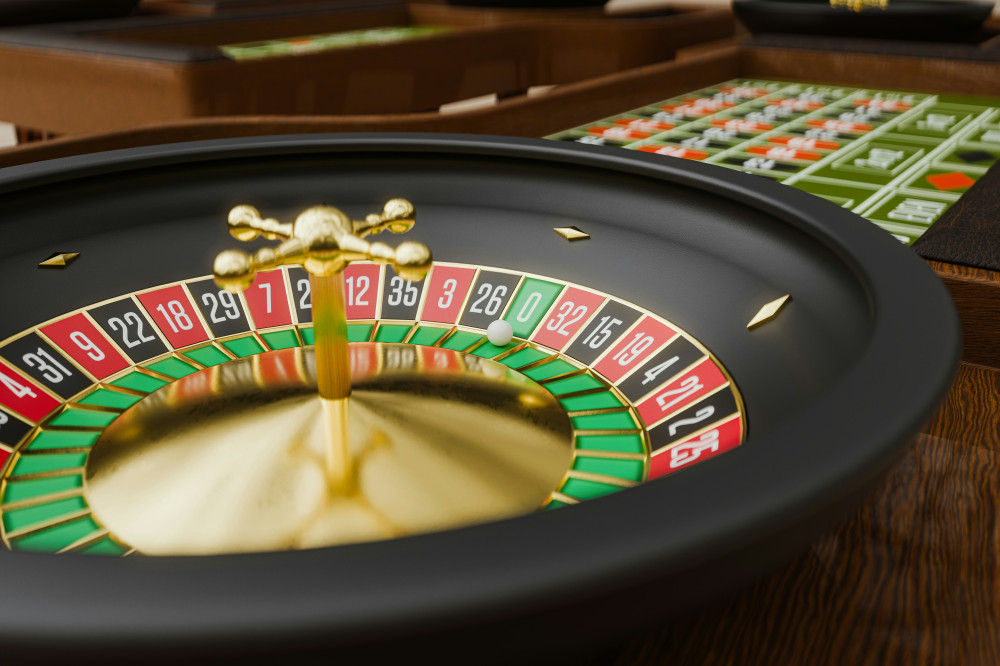
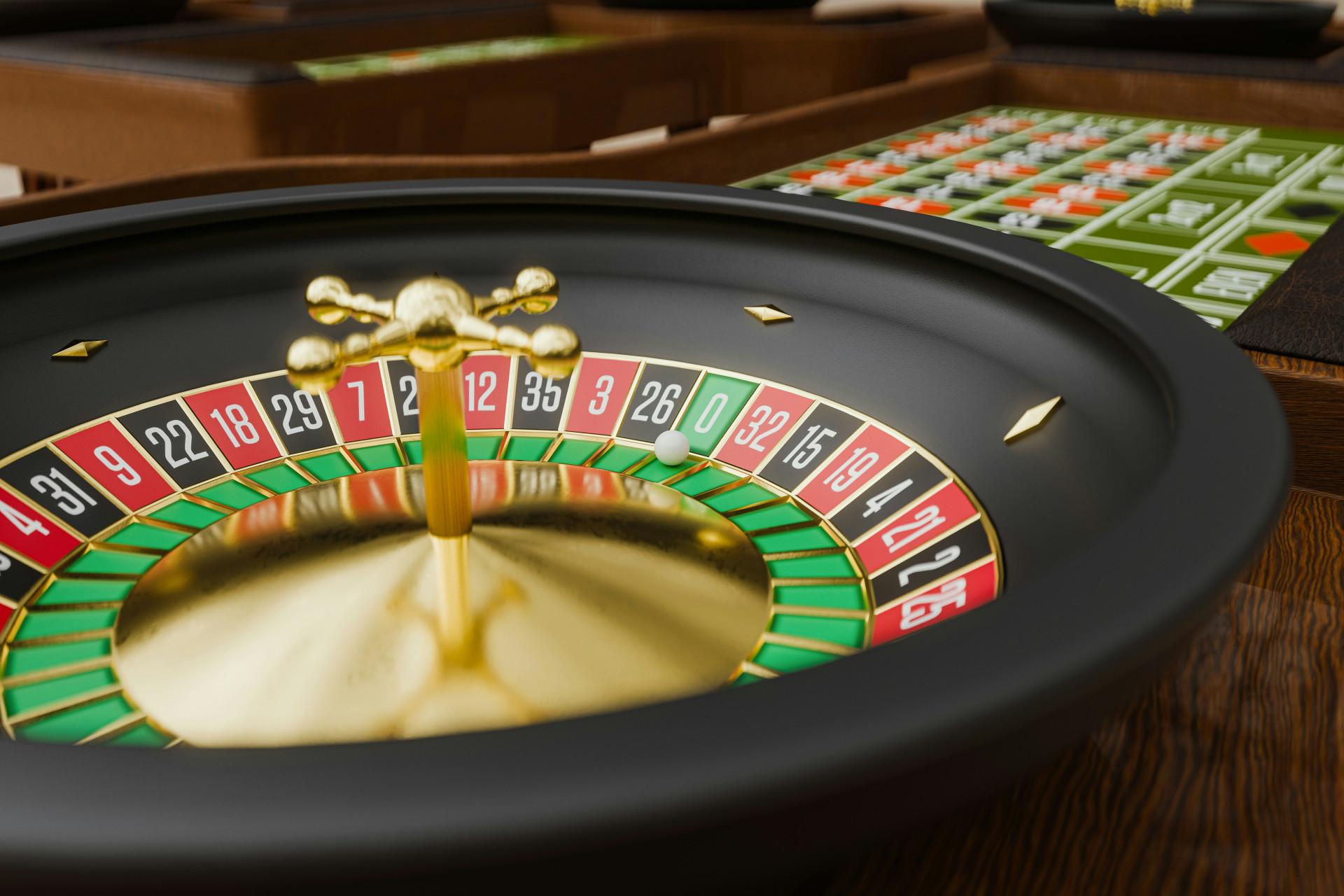
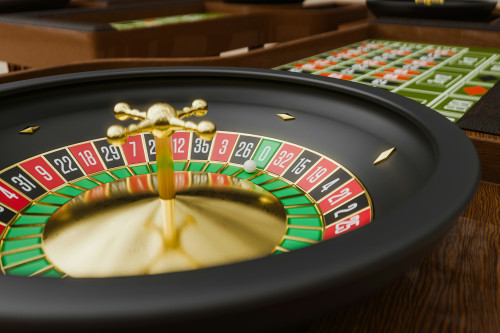
Roulette is more than a spinning wheel and a bouncing ball. It’s a symbol of chance, glamour, and the thrill of uncertainty — an image that has rolled far beyond the casino floor into film, literature, fashion, and the collective imagination. For generations, roulette has represented the delicate balance between luck and fate, and our enduring fascination with risk.
From Monte Carlo to Las Vegas and Hollywood
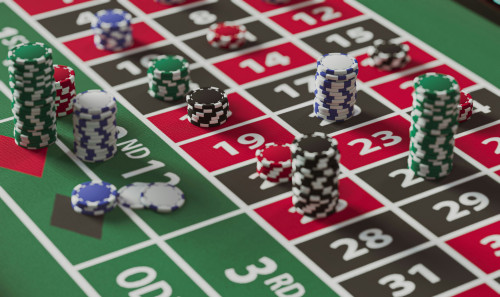
Although roulette originated in 18th-century France, it was in Monte Carlo that the game became synonymous with elegance and high society. The image of tuxedoed players, glittering chandeliers, and whispered anticipation around the table soon captured the attention of filmmakers.
When roulette crossed the Atlantic, it found a new home in Las Vegas — the American capital of chance. The game’s visual drama and emotional tension made it a natural fit for Hollywood storytelling. In classic films like Casablanca, the roulette wheel becomes a symbol of hope and destiny, while later movies such as Croupier and Run Lola Run use it to explore themes of control, morality, and chaos. The distinctive sound of the ball skipping across the wheel has become cinematic shorthand for suspense and possibility.
A Metaphor for Life’s Uncertainty
In popular culture, roulette often serves as a metaphor for life itself. The spinning wheel mirrors the unpredictability of existence — how everything can change in a single moment. Writers and filmmakers use the game to explore the tension between free will and fate, reason and desire.
The Russian novelist Fyodor Dostoevsky, who famously struggled with gambling himself, captured the psychological pull of roulette in his work, portraying it as both a temptation and a test of character. In modern storytelling, the wheel continues to symbolize the human urge to take risks — to believe that luck might, just this once, be on our side.
Roulette in Fashion, Advertising, and Music
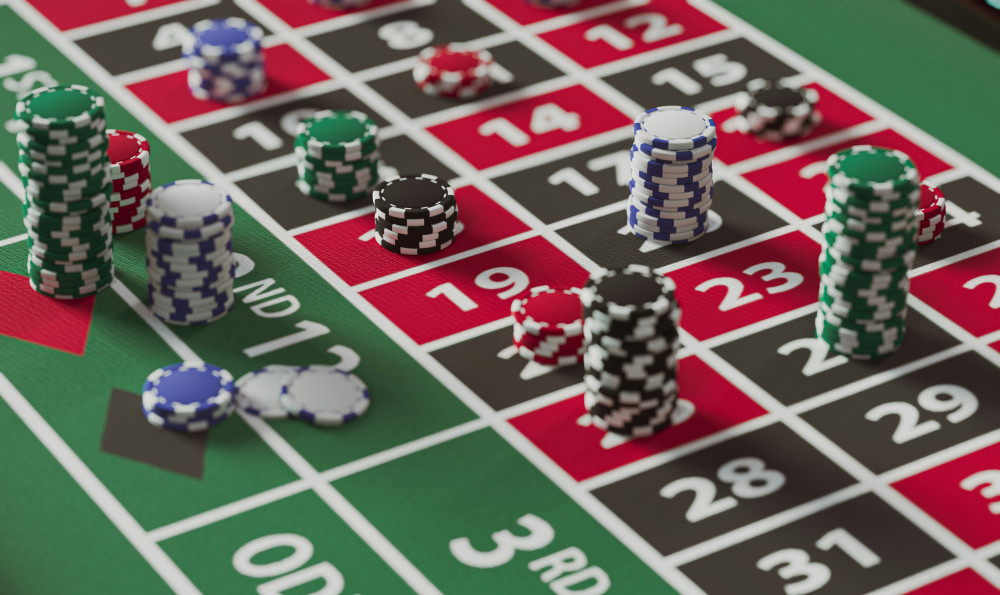
Beyond film and literature, roulette’s aesthetic has influenced fashion and advertising. The bold contrast of red, black, and gold evokes luxury, daring, and sophistication. Brands often use the roulette table as a visual metaphor for exclusivity and high stakes, appealing to consumers’ desire for excitement and success.
In music videos and album art, the roulette wheel appears as a symbol of love, ambition, or fate — a reminder that every choice is a gamble. The imagery resonates because it captures something universal: the thrill of taking a chance.
Læs også:
The Digital Age: Roulette on the Screen
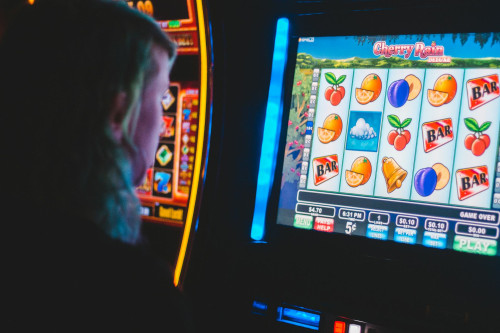
Today, roulette has found new life online. Digital casinos and live-streamed games bring the experience of Monte Carlo or Las Vegas directly to players’ screens. Yet even in its virtual form, roulette retains its aura of sophistication and suspense. The game’s timeless appeal lies in its simplicity — a spin, a ball, and the eternal question of where it will land.
Roulette has also become a visual motif in video games and streaming culture, where it represents both risk and reward in a digital context. The wheel continues to spin, now illuminated by pixels instead of chandeliers.
A Timeless Icon
From 19th-century casino halls to modern films and online platforms, roulette has maintained its place as one of the most enduring symbols of chance in popular culture. It is more than a game — it’s a mirror reflecting our relationship with luck, risk, and hope. Whether the ball lands on red or black, the fascination endures, spinning endlessly like life itself.
Læs også: