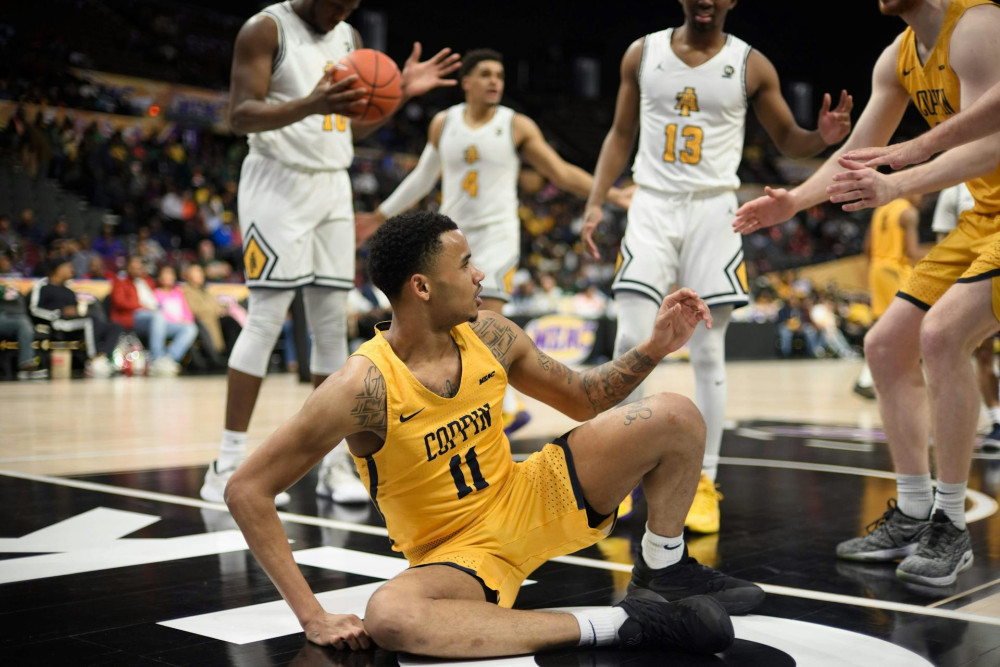
Preseason and Early Season: Your Chance to Assess Basketball Teams’ Potential

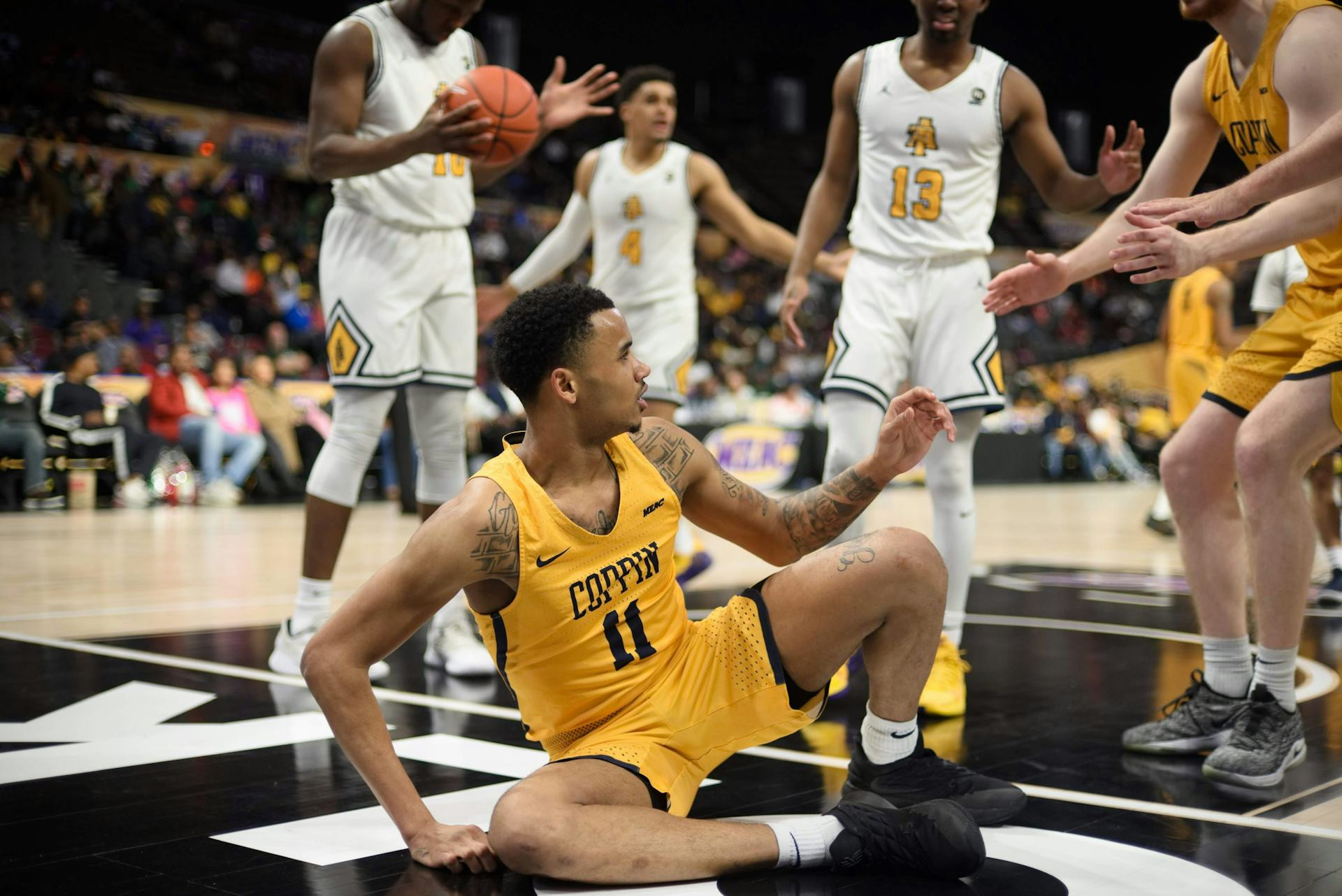
Preseason and Early Season: Your Chance to Assess Basketball Teams’ Potential
As a new basketball season approaches, speculation begins to swirl: Which teams will surprise, and which will disappoint? For fans and analysts alike, the preseason and early-season stretch offer a unique opportunity to gauge each team’s potential—before the standings start to matter. This is when you can spot new trends, tactical adjustments, and players ready to take the next step.
What Is Preseason—and Why Does It Matter?
Preseason is the period when teams play exhibition games before the official season begins. On paper, these games don’t count, but in practice, they reveal a lot about how teams are shaping up.
Coaches use preseason to test new lineups, experiment with rotations, and implement strategic changes. For fans, bettors, and fantasy players, it’s a chance to observe:
- How new players fit in – Is there chemistry between returning stars and new additions?
- How rookies handle the pace – Do they look ready to contribute right away?
- How the coach adjusts the system – Are there changes in tempo, defensive schemes, or shot selection?
While preseason results rarely predict regular-season success directly, they often hint at a team’s identity and direction.
Early Season: When Experiments Start to Count
Once the regular season tips off, the games matter—but the first 10–15 matchups still serve as a testing ground. This is when teams find their rhythm and when preseason trends either hold up or fade away.
Some teams start strong because of continuity and preparation, while others need time to gel. Early-season games can reveal:
- Unexpected depth – Bench players stepping up beyond expectations.
- Players in new roles – A former role player suddenly becoming a key contributor.
- Defensive improvements – Subtle tactical tweaks leading to big results.
For the attentive observer, early-season basketball is a goldmine of information that can help forecast how teams will perform over the long haul.
Stats That Tell the Real Story
In both preseason and early-season play, it’s important to look beyond wins and losses. A team might rack up victories without playing sustainable basketball—or lose close games while showing real promise. The key lies in the underlying numbers:
- Offensive and defensive rating – How efficiently does the team score and defend per 100 possessions?
- Rebounding percentage – Are they controlling the glass or giving up too many second chances?
- Turnovers – High turnover rates can signal poor chemistry or decision-making.
- Shot distribution – Are they taking more threes, or focusing on inside scoring?
These metrics provide a clearer picture of whether a team’s early success—or struggles—are likely to last.
New Players and Coaches: The Wild Cards
Every offseason brings change—trades, draft picks, and coaching hires. Preseason and early-season games are the first real test of how those changes play out.
A new coach can completely reshape a team’s identity. A squad known for fast-paced offense might suddenly emphasize defense and structure. Likewise, a new star can alter team dynamics, for better or worse.
That’s why it’s crucial to watch body language, communication, and tempo. Wins aren’t everything at this stage, but you can often tell whether players believe in the system and in each other.
How to Evaluate Potential Realistically
Assessing a team’s potential isn’t just about who scores the most points—it’s about understanding the bigger picture:
- Look for continuity – Teams with stable cores often start stronger.
- Evaluate depth – Injuries and fatigue hit everyone; depth determines who weathers it best.
- Track progress – Are they improving game by game, or stuck in neutral?
- Listen to coaches’ comments – They often reveal where the team’s focus truly lies.
By combining preseason observations with early-season performance, you can form a more accurate picture of which teams are poised to surprise—and which might be overrated.
Læs også:



From Observation to Insight
Preseason and early-season basketball aren’t just warm-ups—they’re the foundation for everything that follows. Teams that find their rhythm early often gain a lasting edge, while those struggling with chemistry or structure may spend months catching up.
For fans, analysts, and bettors, this period demands attention. It’s when the subtle signs emerge—the ones that later separate contenders from pretenders.
Læs også: