Local Dart Clubs and Their Rules: Social Variations on the Classic Game

Local Dart Clubs and Their Rules: Social Variations on the Classic Game
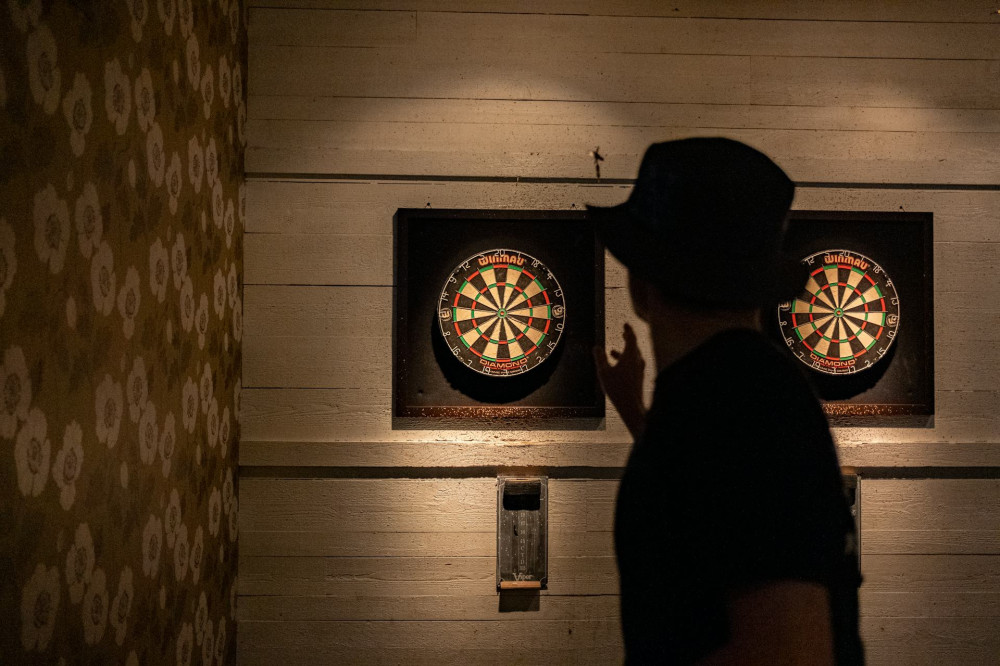
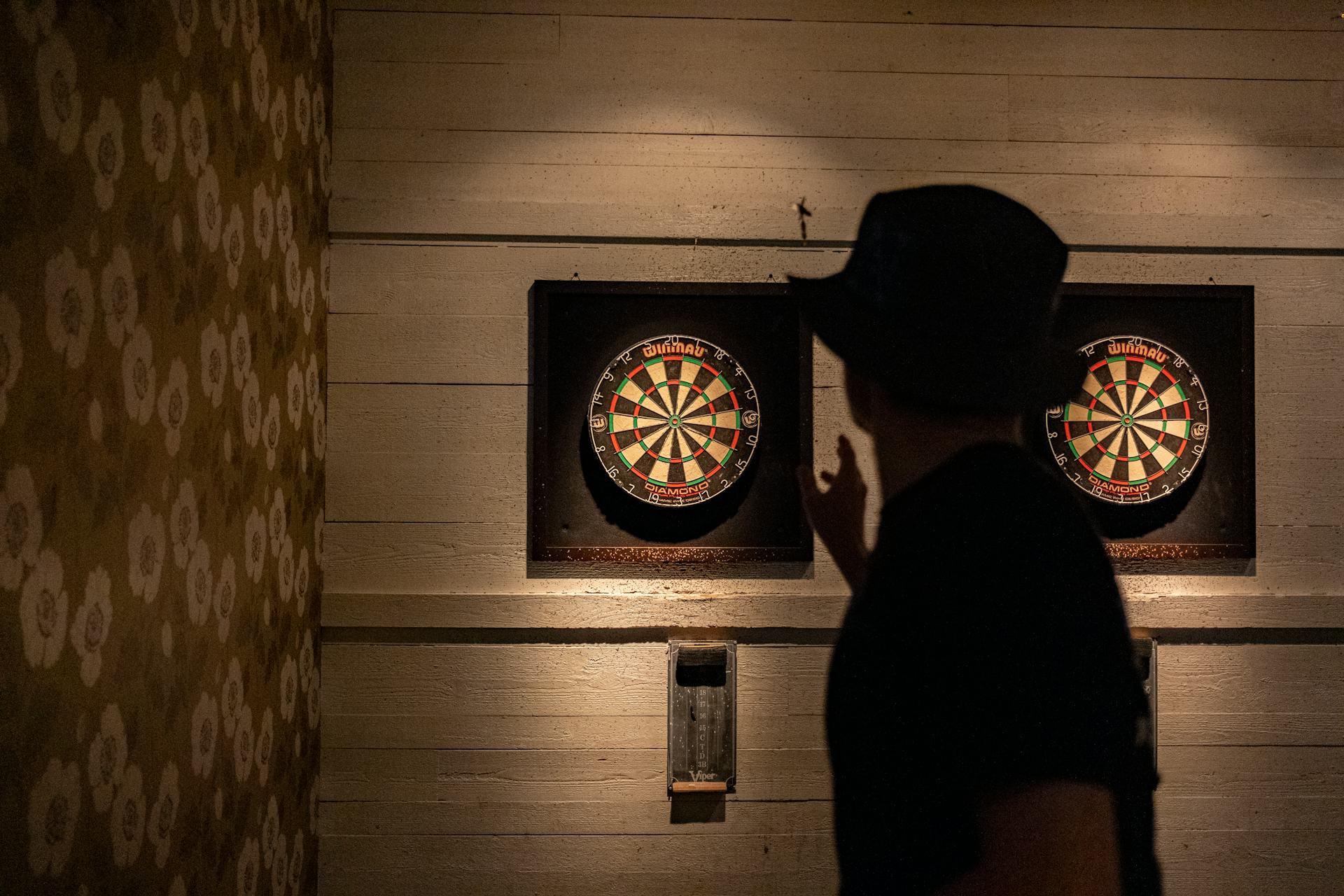
For many Americans, darts conjure images of friendly competition in a neighborhood bar or a relaxed evening at a local club. But behind the thud of the dart hitting the board lies a vibrant community of players who have turned this classic pub game into a social and sometimes competitive pastime. Across the United States, local dart clubs—from small gatherings in community centers to organized leagues in sports bars—bring people together through shared enthusiasm, unique traditions, and a few creative twists on the rules.
From Bar Game to Organized Play
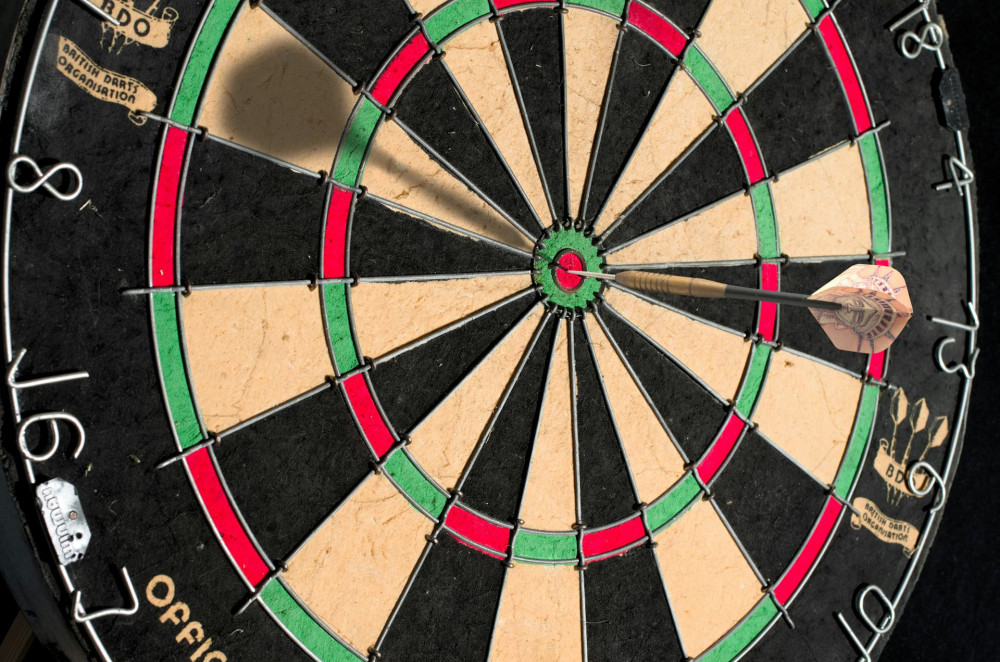
Darts may have originated in British pubs, but in the U.S. it has found a home in a wide range of settings. Many local clubs are affiliated with regional leagues or national organizations such as the American Darts Organization (ADO), which sets official rules and hosts tournaments. Yet, just as often, clubs operate informally, focusing on camaraderie and fun rather than strict competition.
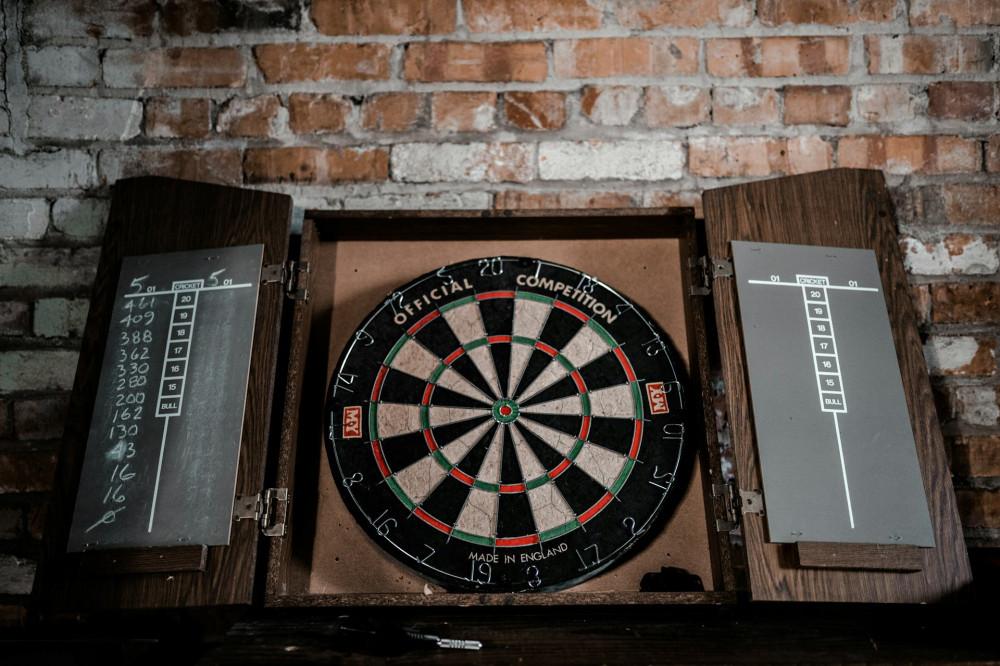
Weekly meetups are common, where members play standard games like “501” or “Cricket.” However, many clubs also experiment with their own versions—shorter “301” matches for quick rounds, or themed nights where the rules are adjusted to keep things lighthearted. These variations help maintain a balance between skill development and social enjoyment.
House Rules and Local Traditions
While most players are familiar with the official scoring systems, local clubs often introduce “house rules” that reflect their own culture. Some might have special tie-breaker rounds, while others add playful penalties—like the loser buying the next round of drinks or performing a funny challenge. In family-oriented clubs, the focus might shift toward inclusive play, with simplified scoring or team-based formats that encourage participation from all ages.
These local adaptations are more than just quirks; they express the personality of each club. A group that values competition might emphasize precision and statistics, while a more casual club could prioritize laughter and social connection. In every case, the rules evolve to fit the people who play.
Læs også:
Community and Competition
The social side of darts is one of its greatest strengths. Many players say that what keeps them coming back isn’t just the thrill of hitting a bullseye—it’s the friendships formed along the way. Clubs often host potlucks, charity events, or friendly matches against neighboring teams. These gatherings turn a simple game into a cornerstone of local community life.
Even in competitive leagues, the atmosphere tends to be welcoming. New players are encouraged to join, and experienced members often take on mentoring roles. The result is a blend of competition and camaraderie that keeps the sport accessible and enjoyable.
Welcoming New Players
Although darts has traditionally been seen as a male-dominated pastime, many American clubs are working to broaden participation. Women’s leagues, youth programs, and beginner nights are becoming more common. Some clubs partner with schools or recreation centers to introduce kids to the game, teaching not only hand-eye coordination but also sportsmanship and patience.
These efforts are helping to diversify the sport and ensure its future. By creating inclusive spaces, local clubs are showing that darts can be enjoyed by anyone—regardless of age, gender, or experience level.
From Local Boards to National Stages
While local variations give each club its unique flavor, many players also aspire to compete at higher levels. Regional and national tournaments offer opportunities to test skills against top players from across the country. For some, this marks the beginning of a more serious pursuit; for others, it’s simply a chance to represent their hometown club and meet fellow enthusiasts.
The American Darts Organization and other regional bodies provide structure and consistency for these events, ensuring that even as local rules vary, the broader community remains connected through shared standards and mutual respect.
Darts as a Social Tradition
Local dart clubs across the U.S. demonstrate how a simple game can adapt to different social settings. In some places, darts is a competitive sport demanding focus and precision; in others, it’s a social ritual that brings people together after work or on weekends. That flexibility is part of what makes darts so enduring—it’s easy to learn, endlessly adaptable, and always centered on connection.
So the next time you hear the soft thump of darts hitting a board at your neighborhood bar or community center, remember: it’s not just a game. It’s a small but meaningful expression of local fellowship, skill, and shared enjoyment.
Læs også: