How Bookmakers Set Betting Markets in Cycling


How Bookmakers Set Betting Markets in Cycling
When the cycling season kicks off with spring classics, stage races, and the Grand Tours, bookmakers are watching closely. Behind every set of odds lies a complex mix of data analysis, experience, and intuition. But how do bookmakers actually set betting markets in cycling—and what factors do they consider when deciding who’s the favorite to win?
Data, Statistics, and Historical Performance
It all starts with data. Bookmakers gather vast amounts of information about riders, teams, and races. This includes past results, performance on similar terrain, power output, weight, age, and current form.
A race like Paris–Roubaix demands a different type of rider than a mountain stage in the Alps, and that’s reflected in the odds. A powerful classics specialist will usually have shorter odds on cobbled races, while a lightweight climber is favored in mountainous stage races.
Bookmakers use advanced statistical models to estimate probabilities for different outcomes—but they also know cycling is unpredictable. Odds are adjusted continuously as new information becomes available, such as team announcements or reports from training camps.
Team Strategy and Rider Roles
Cycling is a team sport disguised as an individual competition. A rider may be in top form, but without strong team support, their chances of winning are slim. Bookmakers therefore assess not only individual riders but also team strength, tactics, and lineup composition.
If a team has multiple potential leaders, it can create uncertainty about who will be allowed to chase victory. Conversely, a strong group of domestiques can significantly boost a leader’s chances.
In races like the Tour de France, team strategy plays a major role: are they targeting stage wins, the mountains classification, or the overall title? These strategic choices influence how bookmakers evaluate probabilities.
Weather, Route, and Daily Form
Even the best models can’t predict everything. Weather conditions, crashes, and illness can change a race in minutes. Bookmakers monitor forecasts, route profiles, and on-the-ground reports closely.
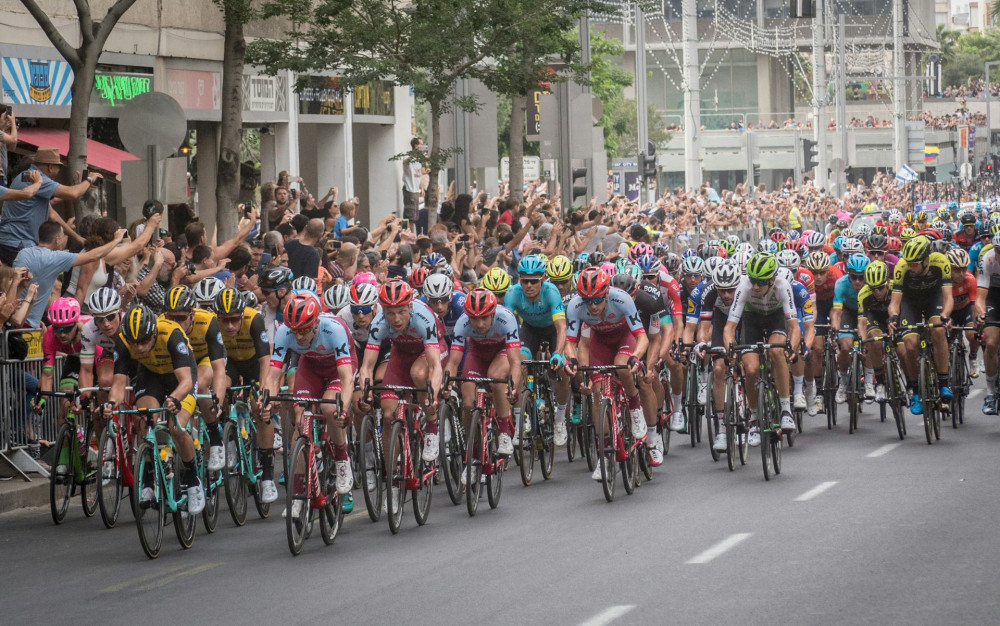
A sudden rainstorm can make cobblestones slippery and favor technically skilled riders. A crosswind stage can split the peloton and produce surprise winners. And a rider who looked weak the day before may see their odds drift upward.
Bookmakers react quickly to such developments—often faster than most bettors. That speed is part of their competitive edge.
Market Movements and Bettor Behavior
Once the initial odds are set, the market takes on a life of its own. Bettors’ wagers influence how odds move. If a large number of bets come in on one rider, the bookmaker will shorten the odds to balance risk.
The goal is to reach a point where there’s roughly equal money on both sides of an outcome, ensuring a profit regardless of who wins. This means odds reflect not only probability but also market sentiment.
In the U.S., betting patterns can be influenced by nationality or popularity. American fans might back riders like Sepp Kuss or Matteo Jorgenson more heavily, which can push their odds lower even if their actual winning chances haven’t changed.
Live Betting and Dynamic Races
With modern technology, live betting has become a major part of cycling markets. During stage races, odds can shift minute by minute depending on who’s in the breakaway, how far they are from the finish, and how the peloton responds.
Bookmakers use real-time GPS data and live TV coverage to update probabilities. This requires both fast algorithms and experienced oddsmakers who can judge whether a breakaway has a realistic chance of staying away.
For bettors, this means they can react to the race as it unfolds—but it also means the market can change in seconds, rewarding those who can read the race quickly.
Læs også:
Balancing Analysis and Intuition
While modern odds-making relies heavily on data and modeling, experience and intuition still matter. Many oddsmakers have backgrounds in cycling and can spot nuances that numbers miss—such as a rider’s body language, team dynamics, or subtle tactical signals from the team car.
Setting betting markets in cycling is therefore a balancing act between science and instinct. It’s about understanding the sport in depth—and reacting faster than anyone else when the reality on the road shifts.
Læs også: