From Start to Finish: What the Pace of Race Phases Reveals About Strategic Choices

From Start to Finish: What the Pace of Race Phases Reveals About Strategic Choices
A race is never just about speed. It’s about timing, decision-making, and the ability to read the rhythm of competition. Behind every lap time lies a series of strategic choices that can determine who crosses the finish line first. By analyzing how pace changes throughout a race, we can uncover how drivers and teams think, plan, and adapt under pressure.
The Start – Controlled Chaos and Risk Management
The start is the most explosive moment of any race. In those first few seconds, drivers fight for position, trying to gain the upper hand before the field settles. But aggression comes with risk. A wheel spin too many, a late brake into the first corner, or an overambitious move can cost precious seconds—or worse, end the race before it truly begins.
The best drivers know that a great start isn’t always about overtaking everyone immediately. It’s about positioning—setting up the car and the strategy for the long game. They balance courage with caution, knowing that races are rarely won in the first lap, but they can certainly be lost there.
The Middle Phase – The Hidden Language of Pace
Once the race finds its rhythm, strategy takes center stage. This is where the subtle art of pace management becomes visible. Tire wear, fuel load, and aerodynamic balance all interact in a complex equation that teams must solve in real time.
A steady, consistent pace might signal a plan to conserve tires and energy for a late push. A burst of fast laps mid-race could mean a driver is trying to build a gap—or take advantage of a performance window when the car feels perfect. In motorsport, this is often called “driving on the edge,” where instinct meets data and every decision counts.
Læs også:


Pit Stops and Tactical Shifts
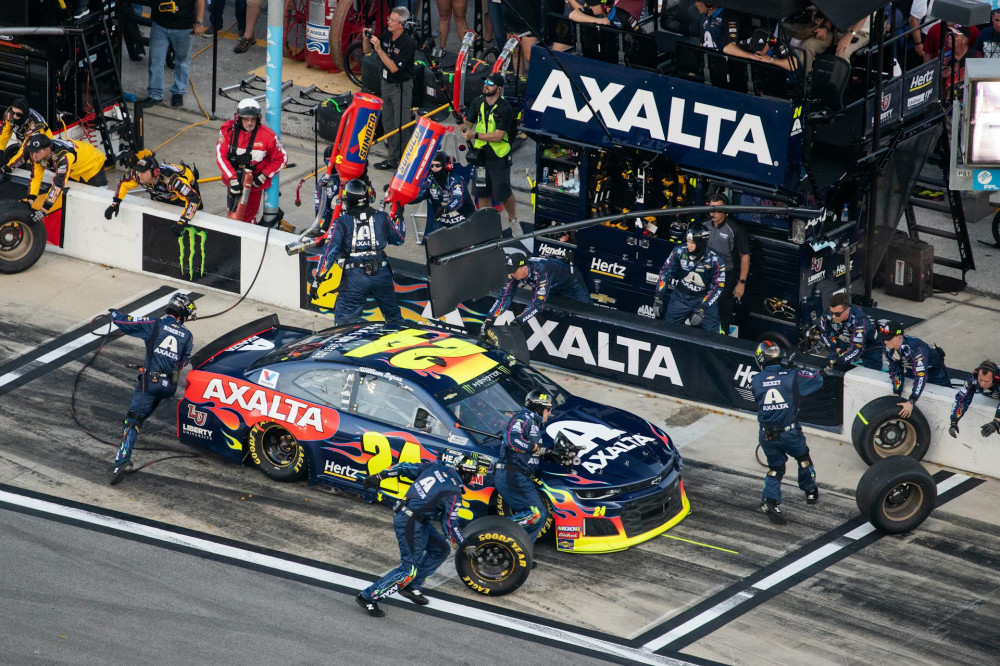
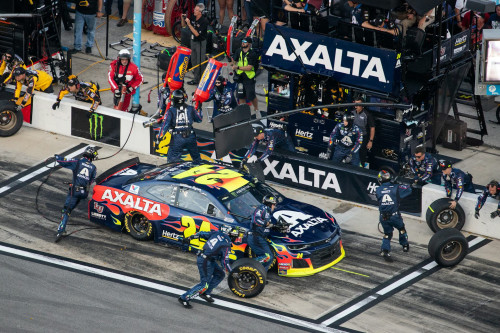
The pit stop is the race’s chess move. A few seconds gained or lost can change everything. Teams must decide when to pit, which tires to use, and whether to gamble on an aggressive strategy or play it safe. Timing is everything.
The pace before and after a pit stop tells a story. A slight slowdown might be intentional, saving tires before the stop. A sudden surge afterward often signals a push to capitalize on fresh rubber. For those watching closely, these shifts in rhythm are like plot twists in a novel—each one revealing a new layer of the team’s thinking.
The Final Phase – When Everything Is on the Line
The closing laps are the ultimate test of every earlier decision. Here, pace becomes a direct reflection of how well the strategy has held up. A driver still able to push hard has managed resources wisely. One struggling to maintain speed may have pushed too early or misjudged tire wear.
Psychology also plays a major role. Some drivers thrive under pressure, finding extra focus and speed when it matters most. Others falter as fatigue and tension set in. In these moments, experience, composure, and the ability to read opponents can make the difference between victory and defeat.
What Pace Reveals – and Why It Matters
Analyzing the pace of a race is like reading between the lines of a story. It doesn’t just show who’s fastest—it shows who’s thinking ahead. In motorsport, strategy isn’t a fixed plan but a living process, constantly adjusted to conditions, competitors, and opportunities.
For fans—and for those who follow racing analytics or betting—pace analysis adds a deeper layer of understanding. It shows when a team is in control, when they’re taking risks, and when they’re reacting to the unexpected. It turns a race from a simple contest of speed into a dynamic game of decisions, where every change in pace tells its own story.
Læs også: