Betting in Literature and Art: A Historical and Cultural Look at the Role of Gambling

Betting in Literature and Art: A Historical and Cultural Look at the Role of Gambling
Gambling, wagering, and games of chance have long been woven into the fabric of human culture—not only as entertainment but as reflections of our desires, fears, and moral struggles. In literature and art, betting often serves as a metaphor for fate, ambition, and the tension between control and chaos. From classic novels to modern cinema and visual art, gambling has symbolized the unpredictability of life and the choices we make when everything is at stake.
The Roots of Gambling in Literature
The fascination with chance and risk can be traced back to ancient storytelling. In Greek and Roman literature, games of chance were more than diversions—they were moral tests and reflections of humanity’s relationship with destiny. Heroes cast lots for honor or survival, and the roll of dice could determine a man’s fortune or downfall. Gambling became a narrative device to explore the limits of human agency against the will of the gods.
In the 19th century, gambling emerged as a central motif in the exploration of the modern psyche. Fyodor Dostoevsky’s The Gambler, written from his own experience with addiction, portrays betting as both a desperate escape and a search for meaning. The act of gambling becomes existential—a struggle between freedom and compulsion, between the thrill of risk and the despair of loss.
In Western literature, authors such as Honoré de Balzac and Charles Dickens used gambling to expose the social and economic tensions of their time. The gaming table became a microcosm of society, where class, ambition, and morality collided. In American literature, writers like Mark Twain and Jack London depicted gambling as part of the frontier spirit—a symbol of risk-taking, freedom, and the pursuit of fortune that defined the American dream.
Læs også:

The Artistic Allure of Chance and Risk
Visual artists have long been drawn to the imagery and symbolism of gambling. In the Baroque period, painters like Caravaggio captured card players and dice throwers as studies in deception, desire, and moral ambiguity. The gaming table became a stage where human nature revealed itself—greed, cunning, and vulnerability illuminated by candlelight.
In the 20th century, modernist and conceptual artists began to embrace chance not just as a subject but as a creative method. Marcel Duchamp, fascinated by randomness, incorporated elements of play and unpredictability into his work. Composer and artist John Cage used chance operations to challenge the notion of artistic control, echoing the logic of gambling itself. In these movements, the gamble became a metaphor for artistic freedom and the acceptance of uncertainty as part of creation.
Gambling as a Cultural Mirror
Throughout history, gambling has mirrored society’s shifting attitudes toward morality, risk, and reward. In times of economic instability or social change, the theme of betting often resurfaces in art and literature as a reflection of collective anxiety and hope. During the Roaring Twenties, for instance, casinos, racetracks, and speakeasies became symbols of liberation and excess—settings where the thrill of chance mirrored the era’s volatile optimism. In postwar film noir, the gambler emerged as a tragic figure, caught between fate and free will, embodying the moral ambiguity of a changing world.
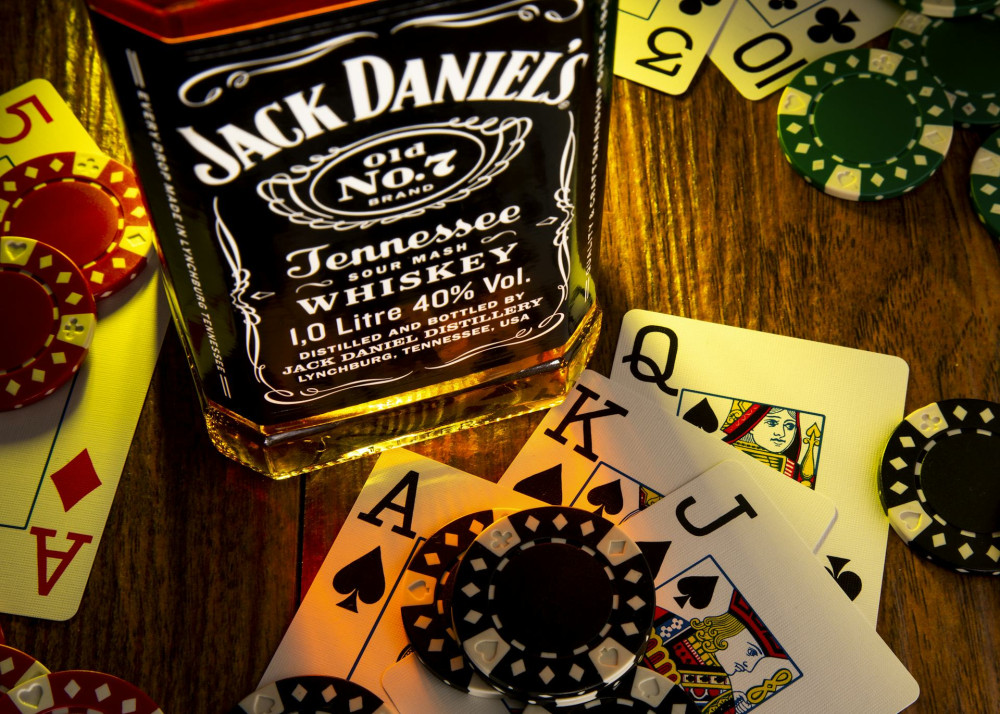
In contemporary culture, gambling has taken on new dimensions. In film, television, and digital art, betting often serves as a metaphor for capitalism, technology, and the illusion of control. From the poker tables of Las Vegas to the algorithms of online trading, the act of wagering reflects our modern obsession with prediction and risk management. At the same time, writers and artists continue to explore the psychological side of gambling—the adrenaline, the addiction, and the fragile boundary between play and self-destruction.
From Moral Lesson to Human Reflection
Where earlier works often portrayed gambling as a vice or moral failure, modern interpretations tend to see it as a mirror of human nature. We gamble not only to win but to feel alive—to experience the tension between possibility and loss. The act of betting becomes a metaphor for existence itself: a balance between strategy and chance, between hope and resignation.
In today’s digital age, where betting has become global and instantaneous, art and literature continue to ask timeless questions: What does it mean to take a risk? Where is the line between freedom and obsession? And what does our fascination with chance reveal about who we are?
An Enduring Theme in Motion
From ancient dice games to online sportsbooks, gambling has remained a constant companion in human storytelling. It has inspired writers, painters, and filmmakers to explore the deepest aspects of our nature—our dreams, our fears, and our longing for control in an unpredictable world. Betting in literature and art is more than a recurring theme; it is a window into the human condition itself—a reminder that life, like any game of chance, is played between luck and choice.
Læs også: