Ball Bounce and Speed: How They Affect Game Strategy


Ball Bounce and Speed: How They Affect Game Strategy
When a tennis ball hits the court, its bounce and speed often determine who gains the upper hand in a match. These may seem like small details, but the difference between a high, slow bounce and a flat, fast one can completely change the rhythm of play. For players, coaches, and even fans who follow the sport closely — including those interested in analytics or betting — understanding these physical factors is key to predicting how a match might unfold.
How Court Surfaces Shape the Game
Tennis is played on several types of surfaces, and each one affects the ball’s bounce and speed in its own way.
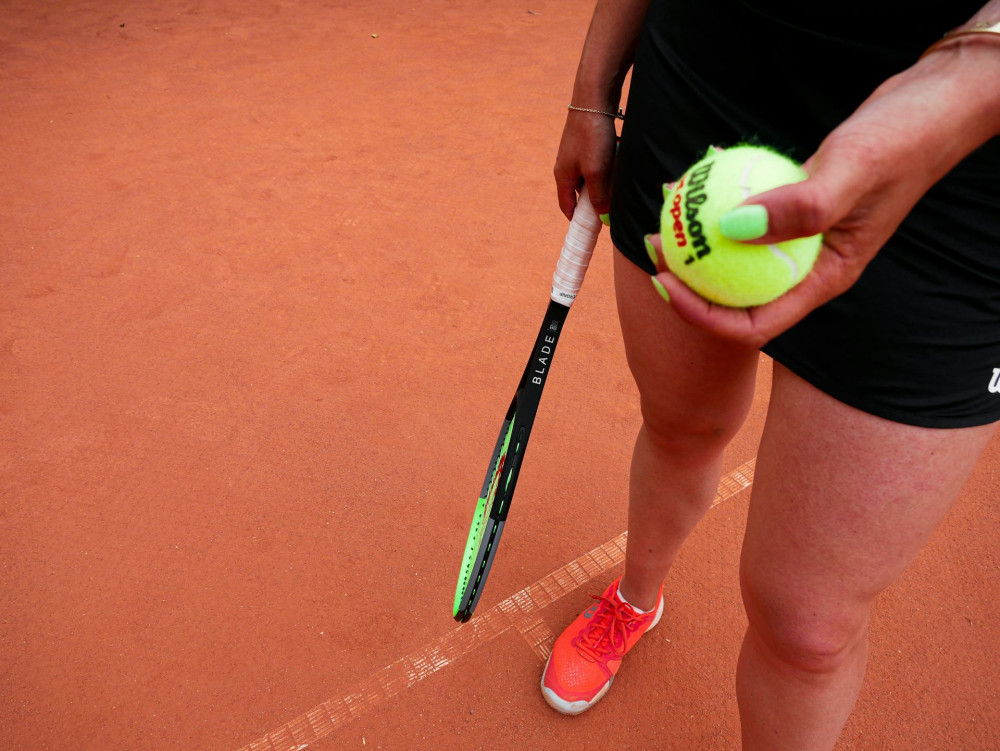
- Clay: The ball slows down and bounces higher, giving players more time to react. This surface rewards patience, consistency, and heavy topspin. It’s no coincidence that players who excel on clay often rely on long rallies and strategic point construction.
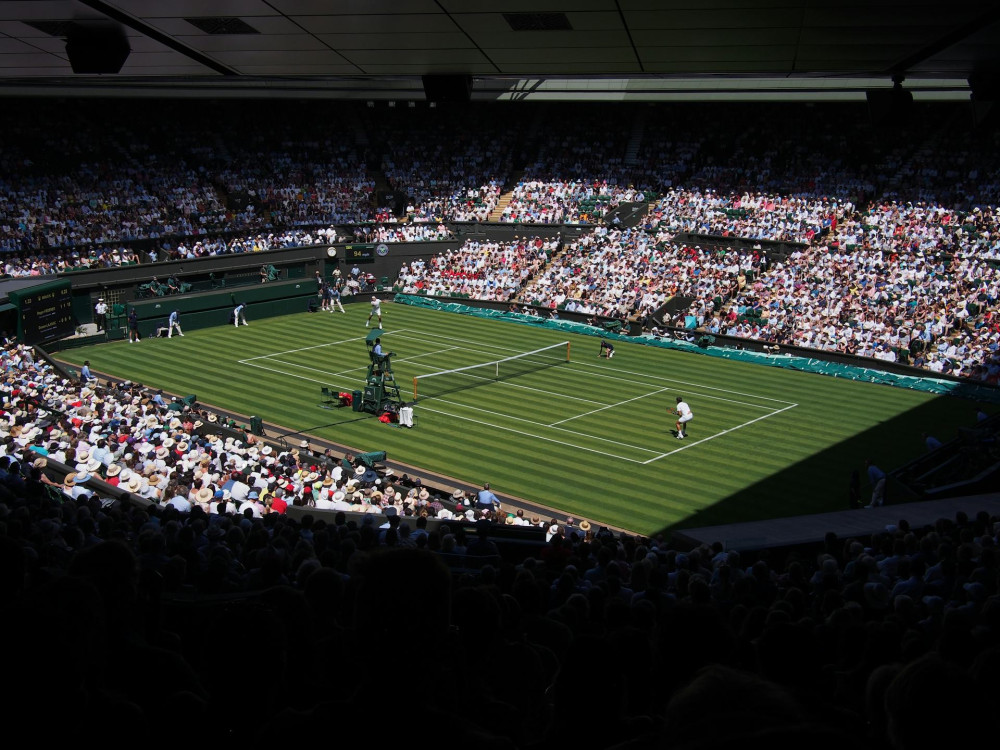
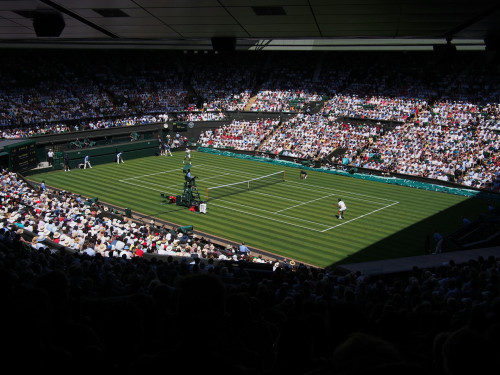
- Grass: The fastest surface. The ball stays low and retains more of its speed, favoring players with strong serves and quick net approaches. Matches on grass often hinge on taking control early in the rally.
- Hard court: The most common surface in the U.S., used at events like the U.S. Open. It offers a balance between clay and grass, with a predictable bounce and medium pace. The exact speed can vary depending on the court’s composition, temperature, and humidity, demanding versatility from players.
Even small variations in surface texture, moisture, or wear can change how the ball behaves. That’s why players spend the first practice sessions at a new venue adjusting to the court’s feel.
The Ball Itself: Pressure and Temperature Matter
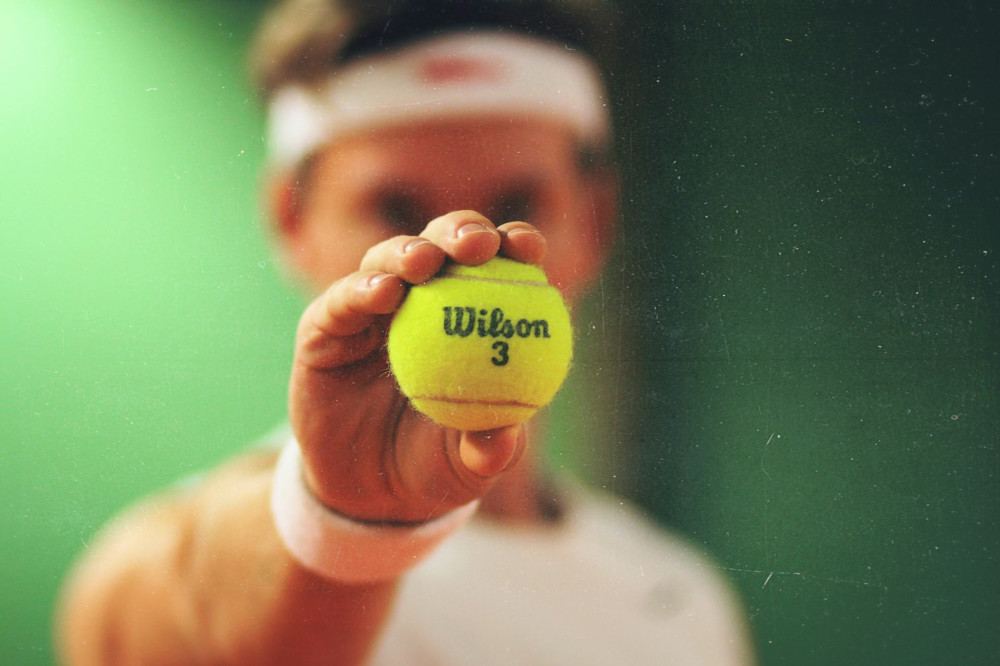
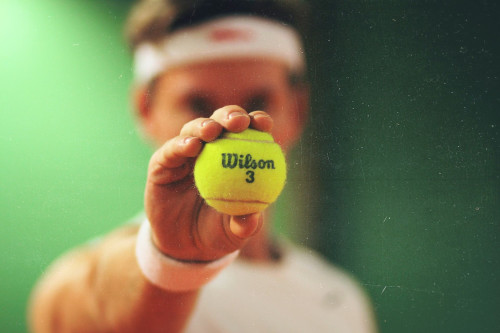
It’s not just the surface — the ball’s condition also affects the game’s tempo. A new ball with higher internal pressure bounces faster and higher, while an older ball becomes softer and slower. That’s why players often attack more aggressively right after a ball change.
Temperature plays a role too. In hot conditions, the air inside the ball expands, increasing pressure and speed. In cooler weather, the ball feels heavier and moves slower. This is one reason matches in Miami can feel completely different from those in New York, even on similar hard courts.
Læs også:

Tactical Adjustments on the Court
When the ball’s bounce and speed change, players must adapt their tactics. On slower courts, endurance, precision, and the ability to create angles become crucial. On faster courts, the serve and the first shot after serve often decide the point.
- On clay, rallies are longer, and success depends on patience and spin.
- On grass, taking the ball early and keeping it low can pressure opponents.
- On hard courts, players must shift between defense and offense, adjusting to the pace and bounce.
Coaches work closely with players to fine-tune movement patterns and shot selection for each surface. A player who understands how the ball reacts can exploit even subtle differences to gain an advantage.
What It Means for Analysis and Betting
For those who analyze tennis — whether for performance insights or betting — ball bounce and speed are critical variables. Statistics like “service games won” or “break points saved” only make sense when viewed in the context of surface and ball behavior.
A player dominant on clay may struggle on grass precisely because the bounce and speed alter the match dynamics. That’s why it’s essential to consider past results on similar surfaces and under comparable conditions before making predictions.
A Sport of Constant Adaptation
Tennis is a sport where physics, technique, and strategy intertwine. The ball’s bounce and speed aren’t just technical details — they form the foundation of match strategy. Every court, every ball, and every shift in temperature creates new conditions that players and coaches must adapt to.
For spectators and analysts alike, this constant interplay is what makes tennis so captivating. Behind every shot lies an understanding of how the ball moves — and how to turn that movement into an advantage.
Læs også: